
Photovoltaic Panels, Which One Is Best?
April 19, 2023
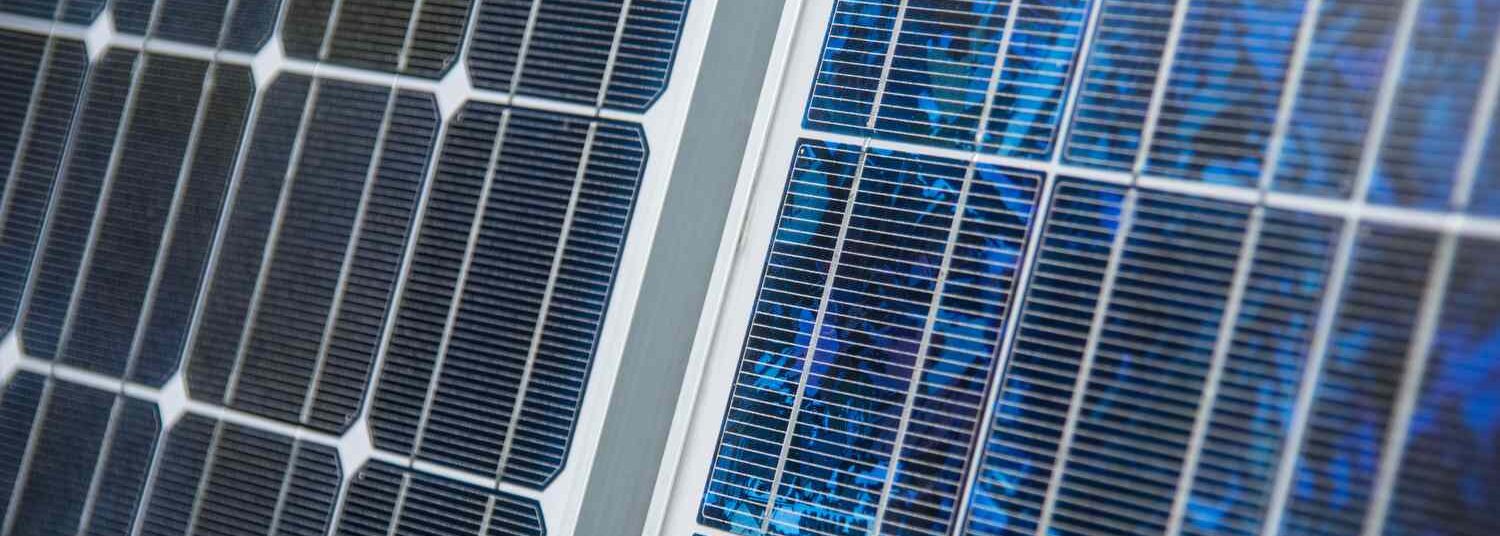
Solar panels are a popular source of renewable energy for homeowners and businesses. They work by capturing the energy from the sun and converting it into electricity. There are several types of Photovoltaic Panels available on the market, each with its own unique features and benefits. In this blog, we will explore the different types of solar panels to help you determine which one is right for you.
Understanding Photovoltaic Panels
1. Monocrystalline Photovoltaic Panels
Monocrystalline solar panels are made from a single crystal of silicon. They are highly efficient and can convert up to 22% of the energy from the sun into electricity. Monocrystalline panels are known for their sleek, black appearance and are often used in residential and commercial installations.
Pros
- High efficiency
- Long lifespan (up to 25 years)
- Works well in low light conditions
Cons
- Expensive
- Production process is energy-intensive
2. Polycrystalline Photovoltaic Panels
Polycrystalline solar panels are made from multiple crystals of silicon. They are less expensive than monocrystalline panels but are also less efficient, typically converting around 15-17% of the sun’s energy into electricity. Polycrystalline panels have a blue color and are often used in residential installations.
Pros
- Lower cost than monocrystalline panels
- Long lifespan (up to 25 years)
Cons
- Lower efficiency than monocrystalline panels
- Production process is energy-intensive
3. Thin-film Photovoltaic Panels
Thin-film solar panels are made from layers of photovoltaic materials, such as amorphous silicon, cadmium telluride, or copper indium gallium selenide. They are the least efficient type of solar panel, typically converting only 10-12% of the sun’s energy into electricity. However, they are also the least expensive and are often used in large-scale installations such as solar farms.
Pros
- Low cost
- Can be flexible and lightweight
- Works well in high temperatures
Cons
- Lower efficiency than monocrystalline and polycrystalline panels
- Shorter lifespan (10-15 years)
4. Bifacial Photovoltaic Panels
Bifacial solar panels have solar cells on both sides, allowing them to capture sunlight from both the front and back of the panel. They are typically made from monocrystalline or polycrystalline silicon and can be used in a variety of installations.
Pros
- Higher efficiency than traditional Photovoltaic Panels
- Can capture reflected sunlight from the ground
Cons
- More expensive than traditional solar panels
- Requires more mounting equipment
Conclusion of Photovoltaic Panels
When choosing a Photovoltaic Panels, it’s important to consider factors such as efficiency, cost, and lifespan. Monocrystalline panels are the most efficient but also the most expensive, while thin-film panels are the least efficient but the least expensive. Polycrystalline panels offer a good balance between efficiency and cost. Bifacial panels are a newer technology that offers higher efficiency but comes with a higher price tag. Ultimately, the best solar panel for you will depend on your individual needs and budget.
Need more information please contact one of our experts
Share Article
UniSource
Thank you for visiting our solar energy website! We appreciate your interest in learning more about sustainable energy solutions and the benefits of going solar. Our mission is to provide you with the latest information on solar power and its positive impact on the environment and your wallet. We hope you found our website informative and useful. Please feel free to contact us if you have any questions or would like to explore solar energy options for your home or business.
Solar Resources
Head Quarters
32 Lucas Lane
Bedfordview
Johannesburg, 2007
sales@solar.unisource.co.za
+27 11 450 4595