
Solar Inverters
March 7, 2023
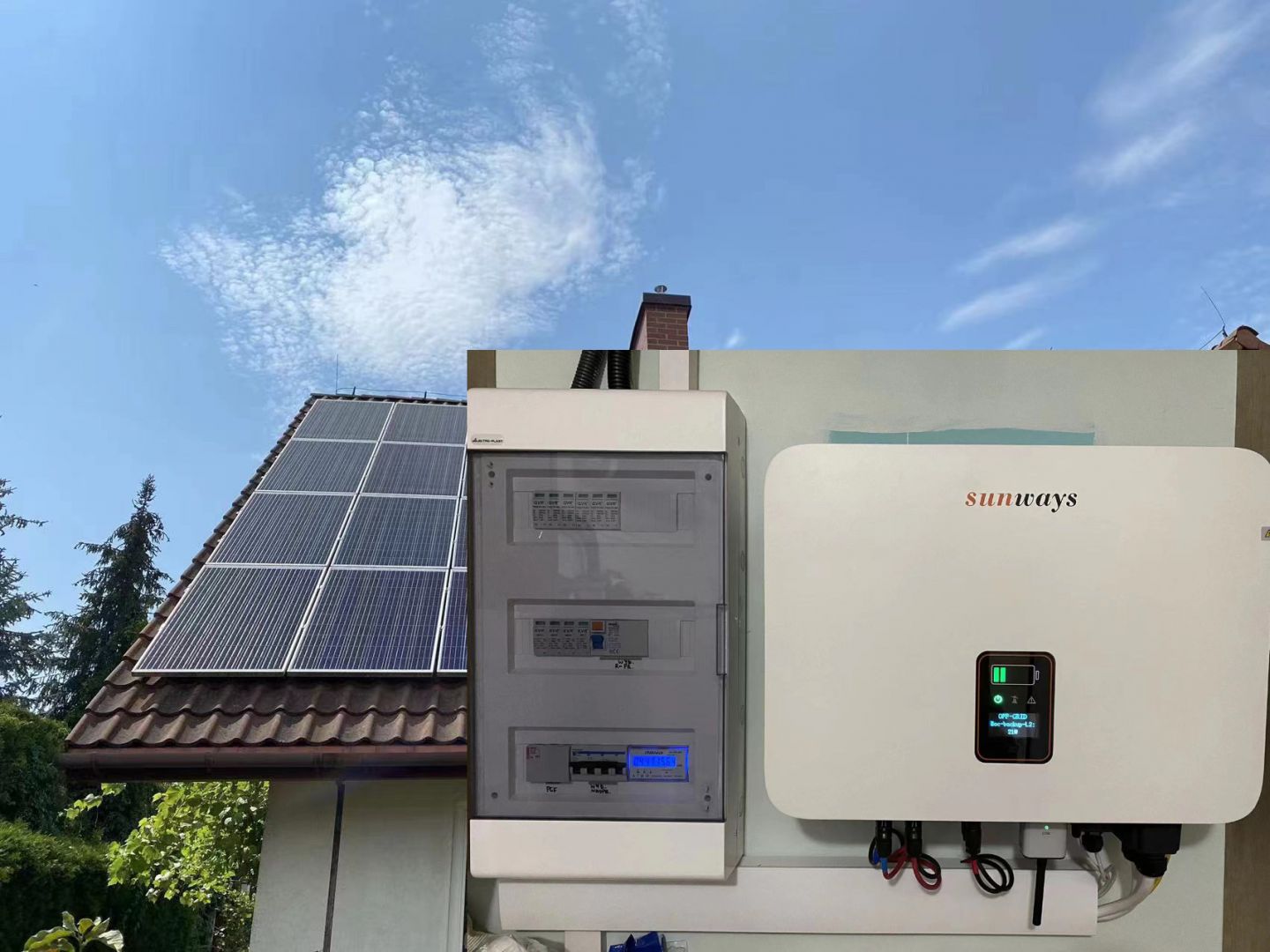
Solar inverters play a crucial role in converting the direct current (DC) generated by solar panels into alternating current (AC) electricity that can be used by homes and businesses. There are several types of solar inverters available in the market, and each has its own set of advantages and disadvantages.
String Inverters
String inverters are the most common type of inverter used in solar installations. They are designed to convert the DC power produced by the solar panels into AC power that can be used by the home or business. The panels are connected in series to form a string, and the string is then connected to the inverter. The main advantage of string inverters is their simplicity and reliability. They are also cost-effective and have a long lifespan.
Microinverters
Microinverters are small inverters that are installed on each solar panel. They convert the DC power produced by the panel into AC power that can be used by the home or business. The advantage of microinverters is that they allow each panel to operate independently, which means that if one panel is shaded or malfunctioning, the rest of the panels will still produce power. However, they are more expensive than string inverters and may have a shorter lifespan.
Power Optimizers
Power optimizers are similar to microinverters in that they are installed on each solar panel. However, instead of converting DC power to AC power, they regulate the DC power before it reaches the inverter. This allows the panels to operate independently and ensures that each panel is operating at its maximum efficiency. The advantage of power optimizers is that they can improve the overall performance of the solar system. However, they are more expensive than string inverters and may have a shorter lifespan.
Hybrid Inverters
Hybrid inverters are designed to work with both solar panels and batteries. They can be used to store excess solar power in batteries, which can then be used during periods of low solar production. Hybrid inverters are more expensive than string inverters but can provide energy independence and reduce reliance on the grid.
Grid-Tied Inverters
Grid-tied inverters are designed to work with solar panels and the utility grid. They allow excess solar power to be sold back to the utility company, which can reduce or even eliminate electricity bills. Grid-tied inverters are the most cost-effective option for solar installations but do not provide energy independence.
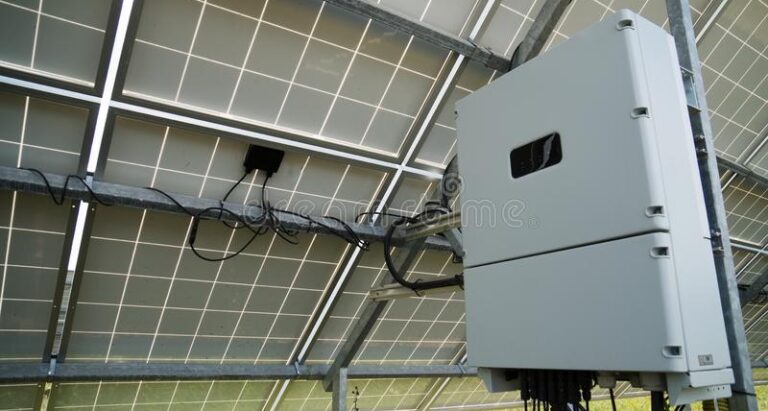
In conclusion, there are several types of solar inverters available in the market, each with its own set of advantages and disadvantages. The type of inverter you choose for your solar installation will depend on your specific needs and budget. It is always recommended to consult with a qualified solar installer to determine the best option for your home or business.
Need more information please contact one of our experts
Share Article
UniSource
Thank you for visiting our solar energy website! We appreciate your interest in learning more about sustainable energy solutions and the benefits of going solar. Our mission is to provide you with the latest information on solar power and its positive impact on the environment and your wallet. We hope you found our website informative and useful. Please feel free to contact us if you have any questions or would like to explore solar energy options for your home or business.
Solar Resources
Head Quarters
32 Lucas Lane
Bedfordview
Johannesburg, 2007
sales@solar.unisource.co.za
+27 11 450 4595