
Hybrid Solar vs Off-Grid Solution Exploring the best option for you?
July 28, 2023
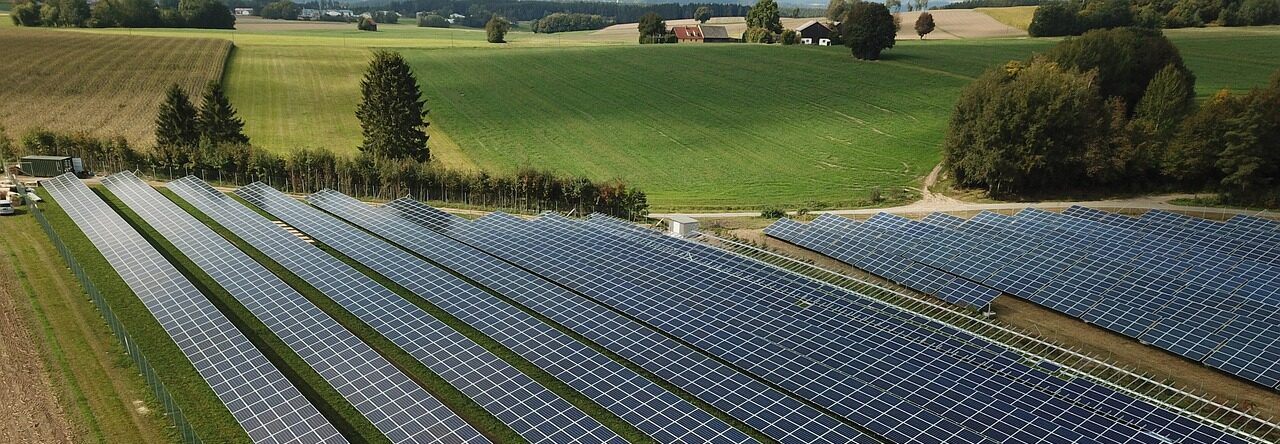
As the world turns towards renewable energy sources, solar power has emerged as a prominent player in the quest for sustainable living. Solar energy offers a reliable and eco-friendly solution for generating electricity, reducing carbon footprints, and achieving energy independence. Among the various solar setups, hybrid solar systems and off-grid solar systems have gained significant attention. In this blog, we will delve into the key differences, benefits, and drawbacks of these two solar solutions, helping you make an informed decision for your energy needs.
The Hybrid Solar Systems Solution
A hybrid solar system combines the best of both worlds by integrating solar panels with an energy storage system and a grid connection. The main components of a hybrid system include solar panels, batteries, an inverter, and a grid connection.
How it Works:
- Solar panels capture sunlight and convert it into electricity.
- The inverter converts the direct current (DC) produced by the solar panels into alternating current (AC) used by household appliances.
- Excess electricity is stored in the batteries for later use.
- When solar energy is insufficient or during peak energy demands, the system draws electricity from the grid.
- If the batteries are fully charged and no excess energy is produced, the surplus power can be exported to the grid, earning you credits or reducing electricity bills.
Benefits:
- Continuous Power Supply: Hybrid systems provide a reliable power supply even during grid outages since they can draw energy from both solar panels and batteries.
- Energy Independence: By storing excess energy, hybrid systems reduce reliance on the grid, promoting self-sufficiency.
- Cost Savings: Utilizing stored energy during peak hours helps to minimize dependence on expensive grid electricity.
- Environmental Impact: Hybrid systems reduce greenhouse gas emissions and promote cleaner energy consumption.
Drawbacks:
- Initial Cost: The installation cost of a hybrid solar system is higher than a standard grid-tied system due to the addition of batteries.
- Maintenance: Batteries require periodic maintenance, which adds to the overall maintenance cost.
- Limited Battery Lifespan: Batteries have a finite lifespan and need replacement after a certain number of cycles, typically 10-15 years.
The Off-Grid Solar Systems Solution
An off-grid solar system, as the name suggests, operates independently from the grid. It consists of solar panels, batteries, charge controllers, and inverters. Unlike hybrid systems, off-grid systems are entirely self-sufficient and do not rely on a connection to the utility grid.
How it Works:
- Solar panels collect sunlight and produce electricity, which is then stored in batteries for future use.
- The inverter converts DC power into AC power to run household appliances.
- In times of low solar production or high energy demands, the stored energy in the batteries is used.
- Off-grid systems require careful energy management to ensure that electricity demands are met without depleting the stored power.
Benefits:
- Full Energy Independence: Off-grid systems offer complete autonomy from the grid, making them ideal for remote locations and areas with unreliable grid access.
- Environmental Sustainability: These systems produce clean energy and reduce carbon emissions, contributing positively to the environment.
- Minimal Grid Dependency: Off-grid systems eliminate the vulnerability to grid failures and price fluctuations.
Drawbacks:
- Higher Initial Investment: Off-grid systems are typically more expensive due to the need for larger battery banks to ensure a consistent power supply.
- Energy Management: Proper energy management is crucial to prevent running out of stored power during periods of low solar production.
- Sizing Challenges: Determining the correct system size requires accurate predictions of energy consumption and solar generation, making it a more complex process.
Choosing between a hybrid solar system and an off-grid solar system depends on your specific energy requirements, location, and budget. Hybrid systems provide a balanced approach, offering a continuous power supply and reduced grid dependency while being more cost-effective than off-grid setups. On the other hand, off-grid systems are ideal for those seeking complete energy independence and are willing to invest in a robust battery storage system.
Before making a decision, consult with a reputable solar installer to assess your energy needs and receive personalized recommendations. Regardless of your choice, both hybrid and off-grid solar systems contribute to a greener future and a more sustainable way of living.
Share Article
UniSource
Thank you for visiting our solar energy website! We appreciate your interest in learning more about sustainable energy solutions and the benefits of going solar. Our mission is to provide you with the latest information on solar power and its positive impact on the environment and your wallet. We hope you found our website informative and useful. Please feel free to contact us if you have any questions or would like to explore solar energy options for your home or business.
Solar Resources
Head Quarters
32 Lucas Lane
Bedfordview
Johannesburg, 2007
sales@solar.unisource.co.za
+27 11 450 4595